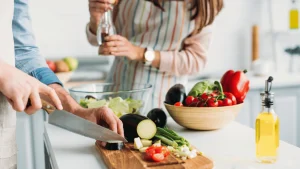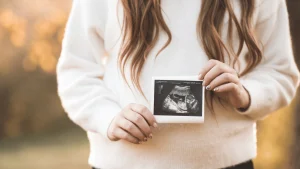
If you’re wondering what to eat and avoid when trying to conceive, you don’t need a complicated fertility diet or a list of foods you have to get exactly right. A balanced, nourishing diet with plenty of vegetables, fruit, whole grains, lean protein, healthy fats, and the right preconception nutrients is a great place to start.
Food can support your overall reproductive health and help prepare your body for pregnancy, but there isn’t one magic food or specific fertility diet proven to make someone get pregnant. Healthy eating and lifestyle habits are a much better focus while you’re trying to conceive.
And if you’ve spent time searching for the “best foods” for fertility, take a little pressure off yourself. You can make nourishing choices without turning every meal into one more thing you have to perfect. A healthy, balanced approach is a wonderful place to begin.
What Should You Eat When Trying to Conceive?
A strong preconception diet focuses on the overall pattern of foods you eat rather than one ingredient that promises to boost fertility.
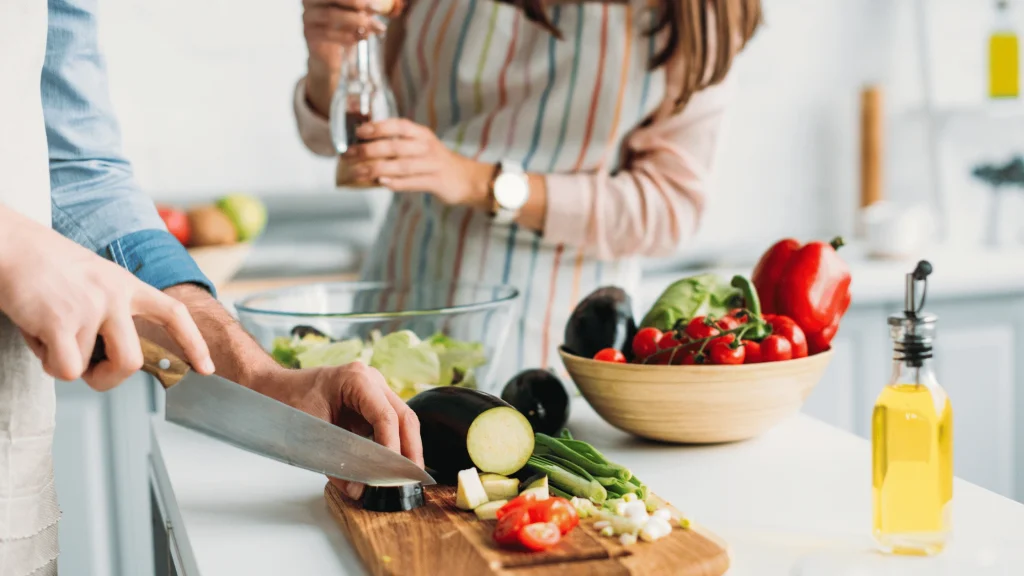
Build meals around foods such as:
- Vegetables, leafy greens, citrus fruits, and other fruit
- Whole grains such as oats, whole-grain bread, and brown rice
- Beans, lentils, eggs, fish, poultry, and other lean protein
- Nuts, seeds, avocado, olive oil, and other healthy fats
- Dairy or suitable alternatives that fit your nutritional needs
Frozen fruit and vegetables are useful options too. A healthy diet does not require every meal to be fresh or prepared from scratch.
Mediterranean-style eating patterns often receive attention in fertility research because they emphasize whole grains, vegetables, legumes, fish, nuts, olive oil, and other minimally processed foods. That does not make the Mediterranean diet a fertility treatment. It is better understood as one example of a balanced eating pattern that supplies a broad mix of nutrients.
The same principle applies when trying to get pregnant: focus on the quality and variety of your diet rather than chasing individual fertility foods.
Which Nutrients Matter Before Pregnancy?
Some nutrients become particularly relevant before conception because early pregnancy begins before many women know they are pregnant.
Why Is Folic Acid Important?
Women capable of becoming pregnant are advised to get 400 micrograms of folic acid each day. Having enough folic acid before conception and during the first 12 weeks of pregnancy is recommended because it reduces the risk of neural tube defects involving the developing brain and spine.
Leafy greens, beans, citrus fruits, and fortified grains are useful food sources of folate or folic acid. A prenatal vitamin with folic acid is another common part of preconception care. Many patients are advised to start taking folic acid through supplements before conception so they are getting the recommended amount during the earliest stages of pregnancy.
Some medical histories require a different dose, so taking more is not automatically better. Women of childbearing age should discuss the right supplement plan with their fertility specialist.
What About Iron and Vitamin D?
Iron supports normal blood production, and your needs increase during pregnancy. Iron-rich foods include beans, lentils, leafy greens, fortified whole grains, meat, and some seafood.
Low iron levels have also been associated with a 40% higher risk of ovulatory infertility, but that evidence is not strong enough to justify self-prescribing high-dose supplements. If you are concerned about iron deficiency, testing gives your fertility specialist a better basis for deciding what you need.
Vitamin D has also been studied in relation to ovulation, PCOS, and infertility, alongside whole-food nutrients often discussed before pregnancy such as vitamin c. Low vitamin D levels appear alongside fertility concerns in some studies, but vitamin D supplementation is not a fertility treatment by itself. Your level, diet, and medical history should guide that discussion.
Which Fats and Proteins Fit a Healthy Fertility Diet?
Fat belongs in a healthy diet, but the type of fat you’re consuming matters, since saturated fats from sources like coconut oil should not crowd out healthier choices.
Olive oil, nuts, seeds, avocado, and fatty fish supply unsaturated fats. Fatty fish also contains omega-3 fatty acids, which your body uses for normal cell function and hormone production.
Trans fats and diets dominated by highly processed foods offer a different nutritional profile and may contribute to inflammation and poorer fertility outcomes. Instead of trying to eliminate every source of unhealthy fats, make whole foods and minimally processed options the foundation of your eating habits.
Protein works the same way. Fish, eggs, beans, lentils, poultry, nuts, and other lean protein sources provide protein along with nutrients such as zinc and fatty acids, without requiring a strict fertility diet.
You may also see claims that full-fat dairy improves ovulation or that low-fat dairy harms fertility. Some older research has explored that relationship, but the evidence does not support prescribing full-fat dairy as a treatment for ovulatory infertility. Choose dairy based on your broader nutritional needs rather than one fertility claim.
What Should You Limit or Avoid When Trying to Get Pregnant?
You do not need a long list of forbidden foods, however, a few areas do require a bit more attention because the guidance is clearer.
Alcohol
If you’re trying to get pregnant, avoiding alcohol is the safest approach. Alcohol exposure during pregnancy carries risks, and pregnancy often begins before someone knows she has conceived.
This is different from blaming an occasional past drink for infertility. The recommendation is about reducing exposure as you prepare for pregnancy.
Caffeine Intake and Energy Drinks
Coffee itself does not need to become a fertility concern, but high caffeine intake has been associated with less favorable reproductive outcomes in some research, so moderation is advised while trying to conceive. Coffee, tea, soda, chocolate, and energy drinks all contribute to total caffeine intake.
If pregnancy occurs, current guidance generally keeps caffeine intake below 200 mg per day. Keeping track of your usual intake before pregnancy makes that adjustment simpler.
High-Mercury Fish
Fish does not need to come off the menu. In fact, lower-mercury fish fit well within a healthy diet and supply important nutrients. This distinction is mercury exposure – people who might become pregnant should choose lower-mercury fish and avoid varieties with the highest mercury levels, including swordfish and king mackerel.
Ultra Processed Foods
Fast food, sugary drinks, deli meats, processed meats, and frozen meals do not all need to disappear from your diet. Frequency matters more than perfection. If ultra processed foods regularly replace vegetables, whole grains, lean protein, healthy fats, and other nutrient-dense foods, the overall diet becomes less balanced and blood sugar control may worsen. Whole grains can support steadier blood sugar levels, which is important for hormonal balance, while foods high in added sugars and heavily processed ingredients can crowd out more nutritious choices.
For male fertility, healthier dietary patterns have also been associated with better semen quality, while diets high in processed foods may be linked to poorer semen quality. That does not mean one food causes or fixes low sperm count, but nutrition still belongs in preconception care for both partners.
Does Weight Matter When Trying to Conceive?
Body weight and fertility are connected, but the answer is not simply “lose weight.”
Being significantly underweight or having obesity can affect ovulation, hormone levels, general health, and pregnancy risks. A healthy weight before pregnancy is a reasonable goal when medically appropriate, but weight loss or weight gain should be considered in the context of your health rather than treated as a requirement for fertility care.
This is particularly important for anyone who has already spent months trying to get pregnant. Changes in weight or diet should not replace evaluation when there may be another reproductive factor involved.
Should Your Diet Change If You Have PCOS or PMOS?
PCOS, now known as polycystic ovary and metabolic syndrome (PMOS), involves both reproductive and metabolic health. Insulin resistance and irregular ovulation are common concerns, which is why eating habits and physical activity often become part of the discussion.
There is no universal PCOS fertility diet. Nutrition should fit the individual’s metabolic health, hormone levels, cycle pattern, and fertility goals. Positive Steps Fertility approaches PCOS/PMOS by looking at the full picture rather than assuming one dietary change will correct irregular ovulation.
When Is Diet Not Enough When Trying to Conceive?
Nutrition cannot tell you why pregnancy has not happened. It does not show whether your fallopian tubes are open, whether you are ovulating normally, whether ovarian reserve needs evaluation, whether something in the uterus is affecting conception, or whether a male fertility factor is present.
That is where fertility testing becomes more useful. Dr. Preston Parry developed the patented Parryscope® approach to evaluate ovarian reserve, fallopian tube patency, and uterine factors as part of female fertility testing.
For women younger than 35, evaluation generally begins after 12 months of regular unprotected intercourse without pregnancy. At age 35 or older, evaluation generally begins after six months. Earlier assessment is appropriate when irregular cycles, a known reproductive condition, or another fertility concern is already present.
Fertility Testing identifies what needs attention, and from there, fertility treatment options are considered and discussed according to the diagnosis rather than assumptions about diet or lifestyle, including options such as in vitro fertilization (IVF).
Fertility Testing in Gulfport, Mississippi
If you have been trying to get pregnant for longer than expected, another diet change may not answer the question that matters most: why?
Our Gulfport fertility clinic gives patients across southern Mississippi access to expert fertility evaluation and infertility treatment led by Dr. Preston Parry.
Dr. Parry is board certified in reproductive endocrinology and infertility and invented the patented Parryscope® female fertility testing approach. That diagnostic focus is part of what sets Positive Steps Fertility apart. The goal is to understand the reproductive factors involved before deciding what, if anything, needs fertility treatment.
Eating well is still a smart part of preparing for a healthy pregnancy. But if you are already wondering why you have not conceived, you deserve information that nutrition alone cannot give you.
When you’re ready, you can start with our fertility quiz or request an appointment to discuss your concerns directly at our fertility clinic in Gulfport, MS.
Frequently Asked Questions about Fertility Nutrition
What are the best foods to eat when trying to get pregnant?
There is no single best fertility food. Focus on vegetables, fruit, whole grains, lean protein, fatty fish, nuts, seeds, and healthy fats such as olive oil. Together, these foods supply a broad mix of nutrients needed before pregnancy.
Should I take a prenatal vitamin while trying to conceive?
A prenatal vitamin with folic acid is commonly recommended before conception. Women capable of becoming pregnant should get 400 mcg of folic acid daily, although certain medical histories require different amounts.
Can eating certain foods improve male fertility?
Dietary patterns have been associated with semen quality, but one food does not treat male infertility. A balanced diet rich in whole foods, healthy fats, whole grains, vegetables, and quality protein is a reasonable part of preconception health for men.
When should I see a fertility specialist in Gulfport, MS?
Consider fertility evaluation after 12 months of trying if the female partner is under 35 or after six months at age 35 or older. Irregular cycles, known reproductive conditions, or other fertility concerns can warrant earlier evaluation.