
Embryo Transfer: The Final Positive Step Toward Pregnancy in IVF
Embryo transfer is one of the most important milestones in the in vitro fertilization (IVF) process. After eggs are fertilized in the laboratory and develop into embryos, one carefully selected embryo is placed into the uterus with the goal of achieving implantation and pregnancy.
At Positive Steps Fertility, our fertility specialist uses advanced embryo selection methods, ultrasound-guided transfer techniques, and personalized treatment planning to optimize your chances of success.
Whether you are pursuing IVF with your own eggs, donor eggs, donor sperm, donor embryos, or a gestational carrier, embryo transfer represents the exciting final step before pregnancy testing.
Who May Need an Embryo Transfer?
Embryo transfer is performed as part of IVF treatment and may be recommended for individuals or couples experiencing:
- Age-related infertility
- Blocked or damaged fallopian tubes
- Male factor infertility
- Recurrent pregnancy loss
- Unexplained infertility
- Failed IUI cycles
- Genetic conditions requiring embryo testing
- Same-sex family building
- Single parenthood by choice
- Use of donor eggs, donor sperm, or donor embryos
Our fertility specialist carefully evaluates your medical history and fertility goals to determine whether IVF and embryo transfer are the right treatment options for your family-building journey.
Types of Embryo Transfers
Every fertility journey is unique. Depending on your medical history, embryo quality, and treatment plan, your physician may recommend one of several types of embryo transfer.
Fresh Embryo Transfer
A fresh embryo transfer occurs during the same IVF cycle in which eggs are retrieved and fertilized. The embryo is typically transferred three to five days after fertilization.
Frozen Embryo Transfer (FET)
A frozen embryo transfer uses embryos that have been cryopreserved and stored for future use. FET allows the body additional time to recover from ovarian stimulation and offers greater flexibility when preparing the uterine lining.
Blastocyst Transfer
Blastocyst-stage embryos develop for five to six days before transfer. Because they have reached a more advanced stage of development, blastocyst transfers often provide improved embryo selection and implantation potential.
Day 3 Embryo Transfer
Some embryos are transferred three days after fertilization during the cleavage stage of development. This approach may be appropriate in specific clinical situations.
Donor Embryo Transfer
Individuals and couples who cannot use their own eggs or sperm may achieve pregnancy through donor embryo transfer, providing another pathway to parenthood.
PGT-Tested Embryo Transfer
Embryos that undergo Preimplantation Genetic Testing (PGT) are screened for certain chromosomal abnormalities before transfer, helping identify embryos with the highest potential for successful implantation.
What Happens During an Embryo Transfer?
The embryo transfer procedure is typically quick, comfortable, and performed without anesthesia.
The process includes:
- Selection of the highest-quality embryo.
- Preparation of the embryo by the embryology team.
- Placement of a small catheter through the cervix.
- Ultrasound-guided transfer of the embryo into the uterus.
- Verification that the embryo has been successfully released.
Most patients experience little to no discomfort and can return home shortly after the procedure.
At Positive Steps Fertility, ultrasound-guided embryo transfer is used to ensure precise embryo placement and optimize implantation conditions.
Preparing for Embryo Transfer
Proper preparation can help create the best possible environment for implantation.
Patients are typically encouraged to:
- Follow all medication instructions carefully
- Stay hydrated
- Maintain a balanced diet
- Avoid smoking and alcohol
- Limit caffeine consumption
- Get adequate sleep
- Engage in stress-management techniques
- Attend all monitoring appointments
Our fertility care team provides individualized guidance to help ensure you are fully prepared for transfer day.
What to Expect After Embryo Transfer
Following embryo transfer, many patients enter what is often called the “two-week wait” before pregnancy testing.
During this period, you may be advised to:
- Continue prescribed medications
- Avoid strenuous exercise
- Stay hydrated
- Maintain healthy eating habits
- Avoid excessive heat exposure such as hot tubs and saunas
- Follow your physician’s activity recommendations
Mild cramping or spotting can be normal. Your fertility care team will schedule follow-up testing to determine whether implantation has occurred.
How Many Embryos Should Be Transferred?
The decision regarding the number of embryos transferred depends on factors including:
- Age
- Embryo quality
- Previous IVF outcomes
- Genetic testing results
- Overall reproductive history
In many cases, elective single embryo transfer (eSET) is recommended to reduce the risks associated with multiple pregnancies while maintaining high success rates.
Our fertility doctor follows evidence-based guidelines to help patients achieve the safest and most successful pregnancy possible.
Fresh vs. Frozen Embryo Transfer: Which Is Better?
Both fresh and frozen embryo transfers can result in successful pregnancies. The best option depends on your individual circumstances.
A frozen embryo transfer may be recommended when:
- Preimplantation Genetic Testing is performed
- Additional uterine preparation is needed
- There is a risk of ovarian hyperstimulation syndrome (OHSS)
- Hormone levels may affect implantation
A fresh transfer may be appropriate when conditions are optimal during the IVF cycle.
Our fertility specialist will discuss the advantages and limitations of each approach and recommend the strategy that offers the greatest chance of success.
Factors That Influence Embryo Transfer Success
Successful implantation depends on several factors, including:
- Maternal age
- Embryo quality
- Endometrial lining development
- Embryo stage at transfer
- Genetic health of the embryo
- Underlying fertility diagnosis
- Overall reproductive health
Our fertility specialist combines advanced laboratory technology, personalized treatment planning, and evidence-based care to maximize every opportunity for success.
Why Choose Positive Steps Fertility for Embryo Transfer?
Choosing the right fertility clinic matters.
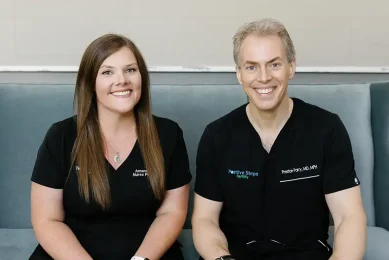
Patients throughout Mississippi and Louisiana trust Dr. Preston Parry and Positive Steps Fertility because we provide:
- Treatment with a board-certified reproductive endocrinologist
- Advanced IVF and embryology technology
- Parryscope® female fertility testing
- Personalized fertility treatment plans
- Comprehensive embryo transfer options
- Compassionate, patient-centered care
- Transparent communication throughout treatment
We understand that embryo transfer is more than a medical procedure, it is a significant positive step toward achieving your dream of building a family.
Schedule an Embryo Transfer Consultation in Mississippi or Louisiana
Whether you are preparing for your first IVF cycle, considering a frozen embryo transfer, or exploring donor embryo options, our experienced fertility specialist is here to help.
Contact Positive Steps Fertility today to schedule a consultation and learn more about your embryo transfer options in Mississippi and Louisiana.
Frequently Asked Questions about Embryo Transfer
Is embryo transfer painful?
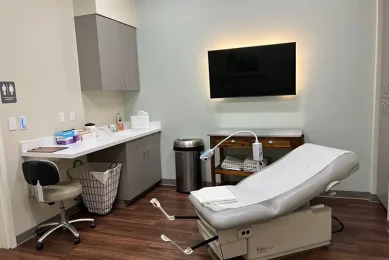
Most patients report little to no pain during embryo transfer. The procedure is similar to a routine gynecological exam and usually does not require anesthesia.
How long does an embryo transfer take?
The actual transfer procedure typically takes less than 15 minutes, although patients may spend additional time at the clinic before and after the transfer.
What is the difference between a fresh embryo transfer and a frozen embryo transfer?
A fresh embryo transfer occurs shortly after fertilization during the same IVF cycle. A frozen embryo transfer uses embryos that were previously frozen and thawed for transfer in a later cycle.
How soon can I take a pregnancy test after embryo transfer?
Most fertility specialists recommend waiting approximately 10 to 14 days before undergoing blood pregnancy testing for the most accurate results.
What should I avoid after embryo transfer?
Patients are generally advised to avoid smoking, alcohol, hot tubs, saunas, and strenuous physical activity while continuing prescribed medications.
What are the benefits of single embryo transfer?
Single embryo transfer reduces the risk of twins or higher-order multiples while still offering excellent pregnancy success rates when a high-quality embryo is selected.
Can frozen embryos be as successful as fresh embryos?
Yes. Modern freezing techniques have made frozen embryo transfer success rates comparable to, and in some cases higher than, fresh embryo transfer success rates.
What happens if my embryo transfer is unsuccessful?
If implantation does not occur, our fertility specialist will review your cycle, discuss possible contributing factors, and recommend next steps, which may include another transfer or adjustments to your treatment plan.
Can I use donor embryos for embryo transfer?
Yes. Donor embryo transfer is an effective family-building option for individuals and couples who cannot use their own eggs, sperm, or embryos.
Does preimplantation genetic testing improve embryo transfer success?
PGT can help identify embryos with normal chromosome numbers, which may reduce miscarriage risk and improve the likelihood of a successful pregnancy for some patients.