
How the Uterus Affects Fertility
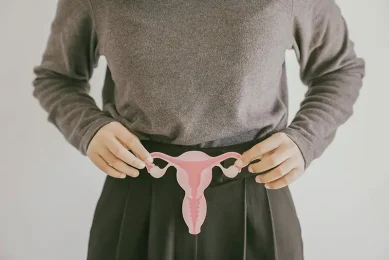
When people think about fertility, they often focus on ovulation or egg quality. But the uterus plays an equally important role.
A healthy uterus provides the environment where a fertilized embryo implants and develops into a pregnancy. If the uterine cavity is altered by growths, inflammation, scar tissue, or structural abnormalities, implantation may be less likely or pregnancy may be harder to sustain.
At Positive Steps Fertility in Mississippi and Louisiana, Dr. Preston Parry takes a comprehensive approach to female fertility evaluation, looking beyond ovulation to identify uterine conditions that may be standing in your way. Our goal is to find answers, not leave you guessing.
Common Uterine Conditions That Can Cause Infertility
Several uterine conditions have been linked to infertility or recurrent pregnancy loss. Some cause noticeable symptoms, while others may have no symptoms at all.
Uterine Polyps
Uterine polyps are small growths that develop in the lining of the uterus (the endometrium).
Depending on their size and location, polyps may interfere with embryo implantation or increase the risk of miscarriage.
Some patients experience:
- Irregular menstrual bleeding
- Spotting between periods
- Heavy periods
- No symptoms at all
Many polyps can be removed with a minimally invasive hysteroscopic procedure.
Uterine Fibroids
Fibroids are noncancerous growths that develop within or around the uterus.
Not all fibroids affect fertility. However, fibroids that distort the uterine cavity or grow within the uterine lining are more likely to interfere with implantation or pregnancy.
Symptoms may include:
- Heavy menstrual bleeding
- Pelvic pressure or pain
- Frequent urination
- Pain during intercourse
- Infertility or pregnancy loss
The need for treatment depends on the fibroid’s size, location, and your reproductive goals.
Intrauterine Adhesions (Asherman’s Syndrome)
Adhesions are bands of scar tissue that form inside the uterus, often after surgery, infection, miscarriage, or dilation and curettage (D&C).
Scar tissue can reduce the available space inside the uterus or damage the uterine lining needed for implantation.
Symptoms may include:
- Light or absent periods
- Infertility
- Recurrent miscarriage
- Pelvic pain
Many adhesions can be diagnosed and treated through hysteroscopy.
Chronic Endometritis
Chronic endometritis is ongoing inflammation of the uterine lining. Unlike an acute infection, it often causes few or no obvious symptoms.
Research suggests chronic endometritis may affect implantation and has been associated with infertility and recurrent pregnancy loss.
Possible symptoms include:
- Irregular bleeding
- Pelvic discomfort
- Recurrent implantation failure
- Recurrent miscarriage
- Sometimes no symptoms at all
Diagnosis often requires specialized evaluation, and treatment typically involves pain medicines, hormone therapy, or surgery.
Congenital Uterine Differences
Some women are born with differences in the shape of the uterus, such as a uterine septum or bicornuate uterus.
Depending on the specific anatomy, these conditions may increase the risk of infertility or miscarriage.
Fortunately, many structural differences can be evaluated with advanced imaging and, in some cases, corrected with minimally invasive procedures.
Signs a Uterine Condition Could Be Affecting Your Fertility
Not every uterine issue causes symptoms, but some warning signs include:
- Difficulty becoming pregnant after trying
- Two or more miscarriages
- Heavy or prolonged periods
- Bleeding between periods
- Severe menstrual cramping
- Pelvic pain or pressure
- Pain during intercourse
- Very light or absent menstrual periods
If any of these sound familiar, a fertility evaluation with Positive Steps Fertility can help determine whether your uterus may be contributing to fertility challenges.
How We Diagnose Uterine Causes of Infertility
At Positive Steps Fertility, we believe every fertility journey deserves a personalized evaluation.
Depending on your history and symptoms, Dr. Parry may recommend:
- Detailed review of your medical and reproductive history
- Breakthrough Parryscope® female fertility testing
- Pelvic ultrasound
- Saline infusion sonogram (SIS)
- Hysteroscopy
- Hysterosalpingogram (HSG)
- Laboratory testing
- Endometrial biopsy when clinically appropriate
These tests help us identify uterine conditions that may not be visible during a routine gynecologic exam.
Treatment Options for Uterine Issues
Treatment depends on the underlying condition, your symptoms, and your fertility goals.
Your personalized care plan may include:
- Hysteroscopic removal of uterine polyps
- Surgical treatment of cavity-distorting fibroids
- Removal of intrauterine scar tissue
- Medications or hormone therapy for chronic endometritis when indicated
- Monitoring when treatment is not necessary
- Fertility treatments such as ovulation induction, IUI, or IVF if additional factors are present
Our focus is always on recommending the least invasive treatment that gives you the best opportunity for a healthy pregnancy.
Why Choose Positive Steps Fertility?
Choosing a fertility specialist means choosing someone who will listen, investigate, and create a care plan tailored to you.
At Positive Steps Fertility, you’ll receive compassionate, evidence-based fertility care from Dr. Preson Parry, an experienced fertility specialist serving patients throughout Mississippi and Louisiana.
We know that infertility is rarely caused by just one factor. That’s why we take time to understand your complete fertility picture before recommending fertility treatment. Whether you’re just beginning your fertility journey or have been searching for answers for years, our fertility clinic is here to help you move forward with confidence.