
Oncofertility & Fertility Preservation Before Cancer Treatment
A cancer diagnosis can bring countless questions and difficult decisions. For many patients, one of the most important concerns is whether cancer treatment could affect their ability to have children in the future.
At Positive Steps Fertility, our oncofertility program helps individuals and couples preserve their fertility before undergoing cancer treatment. We work closely with oncologists and cancer care teams throughout Mississippi and Louisiana to provide timely fertility preservation options that help patients protect their future family-building opportunities without compromising cancer care.
Our goal is simple: help you fight cancer today while preserving your options for tomorrow.
What Is Oncofertility?
Oncofertility is a specialized area of reproductive medicine that focuses on fertility preservation for patients who have recently been diagnosed with cancer or other medical conditions that may impact fertility.
Many cancer treatments, including chemotherapy, radiation therapy, surgery, and certain medications, can affect reproductive health. Oncofertility provides options to preserve eggs, sperm, embryos, or reproductive tissue before treatment begins.
At Positive Steps Fertility, we believe no patient should have to choose between treating cancer and preserving future fertility when medically appropriate options exist.
Who Should Consider Fertility Preservation?
You may be a candidate for oncofertility services if you have been diagnosed with:
- Breast cancer
- Leukemia or lymphoma
- Ovarian cancer
- Testicular cancer
- Cervical cancer
- Endometrial cancer
- Colon cancer
- Brain tumors
- Autoimmune diseases requiring fertility-threatening treatments
- Other conditions requiring chemotherapy, radiation, or reproductive surgery
Our fertility clinic coordinates closely with your oncologist to determine the safest and most effective fertility preservation plan based on your diagnosis, treatment timeline, and family-building goals.
How Cancer Treatment Can Affect Fertility
Cancer treatments can impact fertility in several ways.
For Women
Cancer treatment may:
- Damage eggs within the ovaries
- Reduce ovarian reserve
- Cause premature menopause
- Affect uterine function
- Increase difficulty conceiving naturally
For Men
Cancer treatment may:
- Lower sperm count
- Affect sperm quality
- Cause temporary or permanent infertility
- Damage testicular function
Because fertility can be affected before symptoms appear, early consultation with a fertility specialist is strongly recommended whenever possible.
Fertility Preservation Options for Women
Egg Freezing (Oocyte Cryopreservation)
Egg freezing allows women to preserve unfertilized eggs before cancer treatment begins.
The process involves:
- Ovarian stimulation
- Egg retrieval
- Cryopreservation (freezing) of mature eggs
Frozen eggs can later be thawed and used during IVF treatment when pregnancy is desired.
Embryo Freezing
Embryo freezing is one of the most established fertility preservation methods.
The process involves:
- IVF stimulation and egg retrieval
- Fertilization using sperm from a partner or donor
- Creation of embryos
- Long-term embryo cryopreservation
Embryos can remain frozen for years and later be transferred when pregnancy is desired.
Ovarian Tissue Preservation
In select situations, ovarian tissue may be removed and frozen before cancer treatment.
This option may be considered when treatment must begin immediately or when traditional fertility preservation methods are not feasible.
Fertility Preservation Options for Men
Sperm Banking
Sperm freezing is one of the simplest and most effective fertility preservation options available.
Men can typically provide one or multiple semen samples before treatment begins.
Frozen sperm can later be used for:
- Intrauterine insemination (IUI)
- In vitro fertilization (IVF)
- Intracytoplasmic sperm injection (ICSI)
Even a small number of preserved sperm may provide future reproductive opportunities.
Testicular Sperm Extraction (TESE)
For men unable to provide a semen sample or who have severe male-factor infertility, sperm may sometimes be obtained directly from testicular tissue through a minimally invasive procedure.
Retrieved sperm can then be frozen and stored for future use.
Family-Building Options After Cancer Treatment
Cancer survivors have more family-building options than ever before.
Depending on your situation, future options may include:
- Natural conception
- IVF using frozen eggs
- IVF using frozen embryos
- IVF using frozen sperm
- Donor eggs
- Donor sperm
- Embryo donation
- Gestational surrogacy
- Adoption referrals and resources
Our team helps patients understand all available options and develop a personalized plan for future family building.
Will Fertility Preservation Delay Cancer Treatment?
One of the most common concerns patients have is whether fertility preservation will delay cancer treatment.
In many cases, fertility preservation can be completed with little or no delay.
For women pursuing egg or embryo freezing, treatment often takes approximately 2–3 weeks. Many patients are able to complete fertility preservation during the period between diagnosis, surgery, and the start of chemotherapy or radiation.
For men pursuing sperm banking, fertility preservation can often be completed within a few days.
Every patient’s timeline is unique. Positive Steps Fertility works directly with your oncology team to ensure fertility preservation is coordinated safely and efficiently.
Why Choose Positive Steps Fertility for Oncofertility Care?
Patients throughout Mississippi and Louisiana trust Positive Steps Fertility because of our combination of fertility expertise, personalized care, and rapid access to treatment.
Our approach includes:
- Fast appointments for newly diagnosed cancer patients
- Coordination with oncology teams
- Fertility preservation expertise
- Advanced IVF and cryopreservation technology
- Clear communication and education
- Individualized treatment planning
- Long-term family-building support
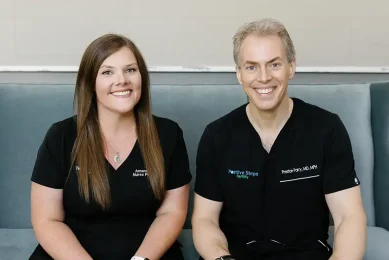
Led by Dr. Preston Parry, a nationally recognized reproductive endocrinologist and Parryscope® innovator, our team is committed to helping patients preserve hope and future opportunities during one of life’s most challenging moments.
Start Planning for Your Future Family
If you have recently been diagnosed with cancer, fertility preservation decisions often need to be made quickly. The earlier you meet with a fertility specialist, the more options may be available.
Positive Steps Fertility proudly serves patients across Mississippi and Louisiana through fertility clinics in Madison, Gulfport, Starkville, Hattiesburg, Shreveport, Slidell, and Monroe.
Our team is here to help you understand your options, coordinate with your cancer care team, and create a personalized fertility preservation plan that aligns with your medical needs and future goals.
Frequently Asked Questions about Oncofertility
How soon should I see a fertility specialist after a cancer diagnosis?
Ideally, you should meet with a fertility specialist as soon as possible after diagnosis and before beginning chemotherapy, radiation, or reproductive surgery. Early consultation often provides the greatest number of fertility preservation options.
Can I preserve fertility without delaying cancer treatment?
In many cases, yes. Fertility preservation can often be completed within a few days for men and within 2–3 weeks for women. Our fertility clinic works closely with your oncologist to minimize treatment delays whenever possible.
Is egg freezing safe for cancer patients?
For many patients, egg freezing can be performed safely under the guidance of both a reproductive endocrinologist and oncology team. Treatment protocols can often be customized based on the patient’s diagnosis and medical needs.
Can men preserve fertility before chemotherapy?
Yes. Sperm banking is a highly effective fertility preservation option for men before chemotherapy, radiation, or surgery that may affect reproductive function.
What happens if I cannot use my own eggs or sperm after cancer treatment?
Many cancer survivors successfully build families through donor eggs, donor sperm, embryo donation, gestational surrogacy, or adoption. Our team can help you explore all available pathways to parenthood.
Does insurance cover oncofertility services?
Coverage varies by insurance plan and state. Our financial team can review your benefits, discuss financing options, and help identify fertility preservation resources that may reduce out-of-pocket costs.
Where can I receive oncofertility care in Mississippi and Louisiana?
Positive Steps Fertility provides fertility preservation and oncofertility services for patients throughout Mississippi and Louisiana, including Madison, Gulfport, Starkville, Hattiesburg, Shreveport, Slidell, and Monroe, and surrounding communities.