
A Simple, Effective Fertility Treatment for Individuals and Couples Seeking Pregnancy
Artificial insemination (AI), including intrauterine insemination (IUI), is often one of the first fertility treatments recommended for patients struggling to conceive. At Positive Steps Fertility, we help patients across Mississippi and Louisiana overcome fertility challenges through personalized, evidence-based treatment plans designed around their unique goals.
Whether you’re experiencing unexplained infertility, mild male factor infertility, using donor sperm, or exploring fertility options as a single parent or LGBTQIA+ family, artificial insemination may offer a safe, affordable, and effective path toward pregnancy.
What Is Artificial Insemination?
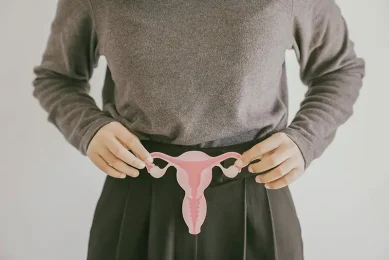
Artificial insemination (AI) is a fertility treatment that places sperm directly into the female reproductive tract to increase the likelihood of fertilization.
By helping sperm bypass natural barriers and shortening the distance sperm must travel to reach the egg, artificial insemination can improve the chances of conception compared to timed intercourse alone.
Artificial insemination is commonly used for:
- Unexplained infertility
- Mild male factor infertility
- Low sperm motility
- Cervical mucus issues
- Single women seeking pregnancy
- Same-sex female couples
- Patients using donor sperm
- Fertility preservation and other family-building plans
At Positive Steps Fertility, artificial insemination is often combined with ovulation monitoring and fertility medications to maximize success rates.
Understanding the Difference Between AI and IUI
Many patients use the terms Artificial Insemination (AI) and Intrauterine Insemination (IUI) interchangeably, but they are not exactly the same.
Artificial insemination is a broad term that describes placing sperm into the reproductive tract to assist conception.
IUI is the most common and effective form of artificial insemination. During IUI, specially prepared sperm is inserted directly into the uterus using a thin catheter, helping more sperm reach the fallopian tubes where fertilization occurs.
Who Is a Good Candidate for Artificial Insemination?
Artificial insemination may be recommended for individuals and couples who have:
- Mild male factor infertility
- Low sperm count
- Reduced sperm motility
- Unexplained infertility
- Ovulation disorders
- Cervical factor infertility
- Difficulty timing intercourse
- A need for donor sperm
Successful artificial insemination candidates generally have at least one open fallopian tube and adequate ovarian function.
Our fertility specialist performs comprehensive fertility evaluations before recommending treatment to ensure artificial insemination is the right option for your situation.
The Artificial Insemination Process
At Positive Steps Fertility, every artificial insemination treatment plan begins with a detailed fertility assessment and personalized consultation.
Fertility Evaluation
Before treatment begins, we evaluate both partners to identify factors affecting fertility and determine whether artificial insemination is appropriate.
Testing may include:
- Hormone evaluation
- Ovulation assessment
- Ultrasound imaging
- Semen analysis
- Fallopian tube evaluation
Ovulation Monitoring and Timing
Timing is one of the most important factors in insemination success.
We closely monitor ovulation through:
- Ultrasound examinations
- Hormone testing
- Ovulation predictor kits
- Fertility medications when needed
This allows us to schedule insemination during the optimal fertility window.
Sperm Collection and Preparation
Sperm may come from:
- A partner
- A known sperm donor
- An anonymous donor sperm bank
Before insemination, sperm undergoes a preparation process known as sperm washing.
This process:
- Removes debris and seminal fluid
- Concentrates the healthiest sperm
- Improves sperm motility
- Enhances fertilization potential
The Insemination Procedure
The insemination procedure itself typically takes only a few minutes.
Using a thin catheter, prepared sperm is gently placed into the uterus at the ideal time in the ovulation cycle.
The procedure:
- Requires no anesthesia
- Is minimally invasive
- Is generally painless
- Allows patients to resume normal activities immediately afterward
Types of Artificial Insemination
Several forms of artificial insemination exist, although IUI remains the most commonly used.
Intrauterine Insemination (IUI)
IUI places washed sperm directly into the uterus to improve fertilization chances.
This is the most widely recommended insemination treatment and is often combined with fertility medications.
Intracervical Insemination (ICI)
ICI places sperm near the cervix, mimicking natural conception.
It may be an option for some patients using donor sperm but generally offers lower success rates than IUI.
Intratubal Insemination (ITI)
ITI involves placing sperm closer to the fallopian tubes through a more invasive procedure.
Because of its complexity, it is used far less frequently than IUI.
Artificial Insemination with Donor Sperm
Artificial insemination with donor sperm provides an excellent family-building option for:
- Single women
- Same-sex female couples
- Patients with severe male infertility
- Individuals with genetic concerns
Donor sperm undergoes extensive screening and testing to ensure safety and quality.
Our fertility clinic helps patients navigate sperm donor selection, legal considerations, and treatment planning with compassion and confidentiality.
Artificial Insemination with Frozen Sperm
Frozen sperm is commonly used for:
- Donor sperm treatment
- Fertility preservation
- Military deployment
- Cancer treatment planning
- Delayed family-building goals
Modern cryopreservation techniques allow frozen sperm to remain viable for many years while maintaining strong pregnancy outcomes.
Artificial Insemination Success Rates
Success rates vary depending on several factors, including:
- Age
- Ovarian reserve
- Sperm quality
- Underlying fertility diagnosis
- Number of treatment cycles
For many patients under age 35, ACOG and other studies suggest IUI success rates range from approximately 10% to 20% per cycle.
Because fertility is highly individualized, our fertility doctor develops treatment plans based on your specific circumstances rather than a one-size-fits-all approach.
Personalized Artificial Insemination in Mississippi and Louisiana
At Positive Steps Fertility, we believe artificial insemination and IUI treatment should be personalized, transparent, and easy to understand.
Patients receive direct access to our fertility care team, individualized treatment plans, breakthrough Parryscope® fertility testing, and compassionate support throughout every stage. We proudly serve patients throughout Madison, Gulfport, Starkville, Hattiesburg, Shreveport, Slidell, and Monroe, and surrounding communities across Mississippi and Louisiana.
Frequently Asked Questions about Artificial Insemination
Is artificial insemination the same as IUI?
How successful is artificial insemination?
Success depends on age, fertility diagnosis, sperm quality, and other factors. Many patients under age 35 experience success rates of approximately 10% to 20% per treatment cycle according to ACOG and other studies.
How many IUI cycles should I try before IVF?
Many fertility specialists recommend trying three to six IUI cycles before considering IVF, depending on age, diagnosis, and treatment response.