
What Do Fallopian Tubes Do?
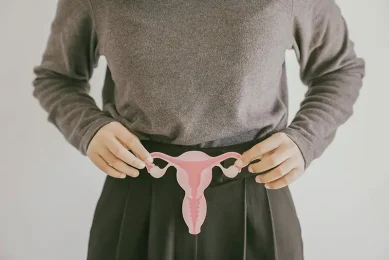
Fallopian tubes are essential structures in the female reproductive system that connect the ovaries to the uterus. Each month during ovulation, a mature egg is released from the ovary and captured by the fallopian tube.
This is where fertilization typically occurs, when sperm meets egg inside the tube. After fertilization, the resulting embryo travels through the fallopian tube and implants into the uterine lining, where pregnancy begins.
When fallopian tubes are healthy and open, they play a critical role in natural conception.
What Are Blocked Fallopian Tubes?
Blocked fallopian tubes (also called tubal occlusion or tubal factor infertility) occur when one or both tubes are partially or completely obstructed.
When this happens, it can prevent:
- Sperm from reaching the egg
- Fertilization from occurring
- The embryo from traveling to the uterus
According to the American Society for Reproductive Medicine (ASRM), tubal disease accounts for approximately 25%–35% of female infertility cases.
In some cases, blocked tubes can also increase the risk of ectopic pregnancy, a potentially serious condition where an embryo implants outside the uterus.
Symptoms of Blocked Fallopian Tubes
Most women with blocked fallopian tubes have no noticeable symptoms.
In fact, many only discover the condition after trying to conceive without success.
Possible signs of blocked fallopian tubes may include:
- Difficulty getting pregnant
- Mild, persistent pelvic or abdominal pain (sometimes with hydrosalpinx)
- History of pelvic infections or endometriosis
Because blocked fallopian tube symptoms are often absent, fertility testing is essential for diagnosis.
What Causes Blocked Fallopian Tubes?
Blocked fallopian tubes typically result from inflammation, infection, or scarring.
Common causes include:
- Pelvic inflammatory disease (PID)
- Sexually transmitted infections such as chlamydia or gonorrhea
- Endometriosis
- Previous abdominal or pelvic surgery
- Ruptured appendix
- Prior ectopic pregnancy
- Tubal ligation (sterilization)
- Hydrosalpinx (fluid-filled, swollen fallopian tube)
These conditions can lead to scar tissue formation, which may partially or completely block the tubes.
Can You Get Pregnant With Blocked Fallopian Tubes?
It depends on whether one or both tubes are affected.
- One blocked tube: Pregnancy may still occur naturally if the other tube is open
- Both tubes blocked: Natural conception is typically not possible
- Partial blockage: Pregnancy may occur, but the risk of ectopic pregnancy is higher
If tubal function is significantly impaired, assisted reproductive technologies such as IVF are often recommended.
How Are Blocked Fallopian Tubes Diagnosed?
There are several ways to evaluate fallopian tube health:
Patented Parryscope® Fertility Testing
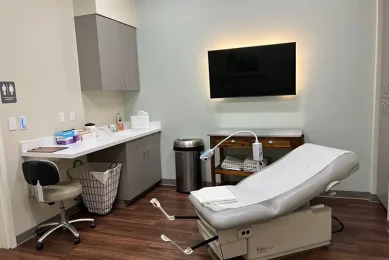
At Positive Steps Fertility, we offer the breakthrough Parryscope®, an advanced in-office diagnostic procedure developed by Dr. Preston Parry.
This 15-minute evaluation can assess:
- Fallopian tube patency
- Uterine health
- Ovarian reserve indicators
Unlike traditional HSG testing, Parryscope® is designed to be less painful, radiation-free, and more comprehensive, providing rapid insights into female fertility health.
Hysterosalpingogram (HSG)
An HSG uses X-ray imaging and contrast dye to determine whether the tubes are open. While commonly used, it can be uncomfortable and may not always provide definitive results.
Sonosalpingography
This ultrasound-based test uses saline and air to evaluate tubal patency but is not widely available and may have limitations in accuracy.
Laparoscopy
A minimally invasive surgical procedure considered the most accurate method. It allows direct visualization of the fallopian tubes but requires anesthesia and recovery time.
Fertility Treatment Options for Blocked Fallopian Tubes
Fertility treatment depends on the severity and location of the blockage.
Fallopian Tube Recanalization (FTR)
A minimally invasive procedure used to open certain types of tubal blockages.
Laparoscopic Surgery
Can remove scar tissue or adhesions and restore tubal function in select cases.
Fimbrioplasty or Salpingostomy
Surgical procedures that repair or reconstruct the end of the fallopian tube to improve function.
Salpingectomy
Removal of a severely damaged fallopian tube, often recommended in cases of hydrosalpinx.
In Vitro Fertilization (IVF)
IVF bypasses the fallopian tubes entirely and is often the most effective fertility treatment for severe tubal infertility.
IVF for Blocked Fallopian Tubes
When fallopian tubes are severely damaged or completely blocked, IVF is often the most effective option for achieving pregnancy.
IVF allows:
- Fertilization to occur in a laboratory
- Embryos to develop outside the body
- Direct transfer into the uterus
This bypasses the fallopian tubes completely, making it a highly effective treatment for tubal factor infertility.
When Should You See a Fertility Specialist for Blocked Fallopian Tubes?
You should seek evaluation for blocked fallopian tubes if:
- You have been trying to conceive for 12 months (or 6 months if over age 35)
- You have a history of pelvic infection or endometriosis
- You have had prior abdominal or tubal surgery
- You suspect fertility issues or have irregular cycles
Early fertility evaluation can significantly improve infertility treatment outcomes.
Why Choose Positive Steps Fertility in Mississippi and Louisiana?
At Positive Steps Fertility, we provide advanced diagnostics and comprehensive fertility treatment options for tubal factor infertility. Our leading fertility clinic offers:
- Board-certified reproductive endocrinology expertise
- Innovative Parryscope® female fertility testing
- Advanced IVF and surgical treatment options
- Personalized fertility care plans
- Compassionate, evidence-based approach
- Seven convenient fertility clinic locations
- Prompt appointment scheduling with direct access to our care team
We understand that managing blocked fallopian tubes can feel overwhelming, and our goal is to provide clarity, answers, and a positive path forward.
Frequently Asked Questions About Blocked Fallopian Tubes
What are the main symptoms of blocked fallopian tubes?
Most women do not experience symptoms. The most common sign is difficulty getting pregnant.
Can blocked fallopian tubes be treated?
Yes. Depending on the severity, treatments may include surgery, tubal procedures, or IVF.
Can you still get pregnant if one fallopian tube is blocked?
Yes. Pregnancy is still possible if the other tube is healthy and functioning.
What is the most accurate test for blocked fallopian tubes?
Laparoscopy is considered the most accurate, but the patented Parryscope® female fertility testing is also commonly used as a diagnostic tool at Positive Steps Fertility.
Does IVF work for blocked fallopian tubes?
Yes. IVF bypasses the fallopian tubes entirely and is one of the most effective treatments for tubal infertility.
What causes fluid in blocked fallopian tubes (hydrosalpinx)?
Hydrosalpinx is usually caused by infection, inflammation, or prior surgery that damages the tube.
Can blocked fallopian tubes cause ectopic pregnancy?
Yes. Partial blockages can increase the risk of ectopic pregnancy, which requires immediate medical attention.