
Female Infertility Is Common, And Often Treatable
Difficulty becoming pregnant can feel overwhelming, but infertility is more common than many women realize. The encouraging news is that many causes of female infertility can be identified and, in many cases, treated with advanced fertility care.
While infertility may involve one partner or both, evaluating the female reproductive system is an essential part of every fertility evaluation because several important factors influence conception.
At Positive Steps Fertility, our goal isn’t simply to diagnose infertility; it’s to understand why pregnancy hasn’t happened and identify the most effective, positive path forward.
The Three Primary Factors That Affect Female Fertility
Successful pregnancy depends on three major components working together:
Healthy Eggs
Your ovaries must produce healthy eggs that can be fertilized.
Open Fallopian Tubes
The fallopian tubes allow sperm and egg to meet and transport the embryo safely to the uterus.
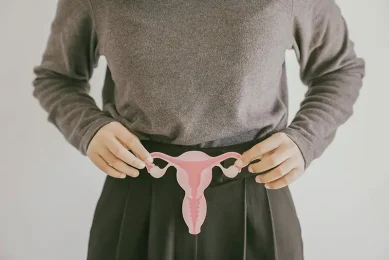
A Healthy Uterus
The uterus must provide an environment where an embryo can successfully implant and grow throughout pregnancy.
When one or more of these areas isn’t functioning properly, conception can become more difficult.
Ovarian Health and Egg Quality
A woman’s age and ovarian reserve play an important role in fertility.
Ovarian reserve refers to the number of eggs remaining in the ovaries, while egg quality reflects the likelihood that those eggs can develop into a healthy pregnancy.
Although fertility naturally declines with age, every woman is different. That’s why individualized female fertility testing is so important.
Positive Steps Fertility evaluates ovarian reserve using advanced diagnostic tools including:
- Anti-Müllerian Hormone (AMH)
- Antral Follicle Count (AFC)
- Follicle Stimulating Hormone (FSH), when appropriate
- Additional hormone testing based on your medical history
Our fertility specialist interprets these results together, not individually, to provide a more complete picture of your reproductive potential.
Fallopian Tube Health
Healthy fallopian tubes are essential because they allow sperm to reach the egg and enable a fertilized embryo to travel safely into the uterus.
Blocked or damaged fallopian tubes are one of the leading causes of female infertility and may also increase the risk of ectopic pregnancy.
Historically, HSG (hysterosalpingography) has been the standard female fertility test used to evaluate the fallopian tubes. While still commonly performed, HSG testing has limitations, including patient discomfort, radiation exposure, and incomplete visualization in some cases.
Parryscope®: A Gentler, More Advanced Alternative to Traditional HSG Testing
Positive Steps Fertility is proud to offer the patented Parryscope® technique, developed by leading fertility specialist Dr. Preston Parry.
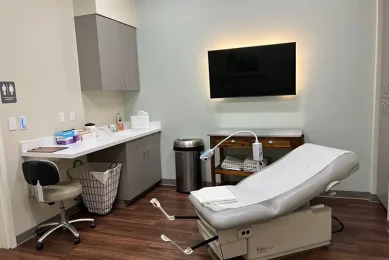
Unlike traditional HSG testing, the Parryscope® approach was designed to provide a more comfortable, comprehensive evaluation of female fertility in a single office visit.
The Parryscope® can evaluate fallopian tube patency, ovarian reserve, uterine health, and pelvic anatomy without relying on traditional X-ray imaging.
For many female patients, this means clearer answers with less discomfort and fewer appointments.
Uterine Health
Even when healthy eggs are produced and the fallopian tubes are open, successful pregnancy still depends on a healthy uterus.
Conditions affecting the uterus include:
- Fibroids
- Polyps
- Scar tissue
- Congenital uterine abnormalities
- Endometriosis
- Adenomyosis
- Chronic inflammation
These conditions may interfere with implantation or increase the risk of miscarriage.
Advanced Fertility Testing for Women
Every patient is unique, which is why fertility testing should be personalized.
Depending on your history, your fertility evaluation at Positive Steps Fertility may include:
- Comprehensive infertility consultation
- Pelvic ultrasound
- Hormone testing
- Ovarian reserve testing
- Office hysteroscopy
- Parryscope® fertility evaluation
- Semen analysis for the male partner
Our goal is to identify the root cause of female infertility as efficiently as possible so fertility treatment can begin sooner.
Why Patients Throughout Mississippi and Louisiana Choose Positive Steps Fertility
Choosing the right fertility clinic is about more than convenience; it’s about finding experienced infertility specialists who can provide accurate answers and personalized care.
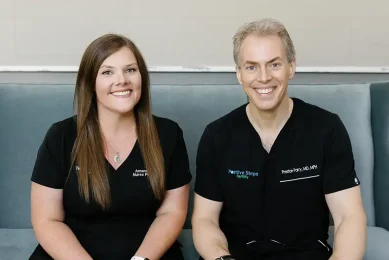
Patients choose Positive Steps Fertility, led by Dr. Preston Parry, because we offer:
- Access to a board-certified fertility specialist
- Comprehensive female fertility testing
- The patented Parryscope® evaluation
- Advanced ultrasound and diagnostic technology
- Personalized treatment recommendations
- Continuity of care from diagnosis through treatment
- Personal cell phone access to your fertility care team; no waiting on patient portals
With multiple fertility clinics across Madison, Gulfport, Hattiesburg, Starkville, Shreveport, Slidell, and Monroe, patients can access expert fertility care closer to home while benefiting from a coordinated treatment approach.
Your Next Positive Step Starts Here
Whether you’ve recently started trying to conceive or have been struggling for months or years, understanding the cause of female infertility is the first positive step toward finding the right treatment.
Our fertility specialist is committed to providing compassionate, evidence-based care that helps you move forward with confidence and hope.
Frequently Asked Questions About Female Infertility
What are the most common causes of female infertility?
The most common causes of female infertility include ovulation disorders, diminished ovarian reserve, blocked fallopian tubes, endometriosis, uterine abnormalities, hormonal imbalances, and age-related declines in egg quality.
At what age should I have female fertility testing?
If you’re under 35, female fertility testing is generally recommended after one year of trying to conceive. If you’re 35 or older, it’s recommended after six months. Women with known reproductive conditions or irregular cycles may benefit from evaluation even sooner.
Can female infertility be treated?
Yes. Many causes of female infertility are treatable. The appropriate treatment depends on the underlying cause and may include medication, minimally invasive procedures, intrauterine insemination (IUI), or in vitro fertilization (IVF).
What fertility tests are used to evaluate women?
Female fertility testing may include hormone blood work, ovarian reserve testing, pelvic ultrasound, uterine evaluation, fallopian tube testing, and other diagnostic procedures based on your medical history.
Is the Parryscope® an alternative to HSG?
Yes. The patented Parryscope® technique is an advanced alternative to traditional HSG testing that evaluates the fallopian tubes, uterus, and other key aspects of female fertility in a single office visit while minimizing discomfort and avoiding radiation.
Where can I receive female fertility testing in Mississippi and Louisiana?
Positive Steps Fertility provides comprehensive female fertility testing at locations in Madison, Gulfport, Hattiesburg, Starkville, Shreveport, Slidell, and Monroe, serving patients throughout Mississippi and Louisiana.